
What Is a Skills-Based Organisation and Why Does It Matter Now?
A practical explanation of what a skills-based organisation is, why it matters, and how it changes workforce planning, mobility and capability decisions.
Read the article →Human, practical thought leadership for leaders who need to connect strategy, skills, culture, technology and labour market reality.
A practical explanation of what a skills-based organisation is, why it matters, and how it changes workforce planning, mobility and capability decisions.
Read the article →
The honest gap between buying software and improving productivity.
Read the article →
AI changes management work: prioritisation, coaching, decision rights, supervision and performance rhythms.
Read the article →
A practical article on connecting strategic ambition to demand, supply, cost, capability and execution.
Read the article →
Why AI alone does not create productivity unless work, roles, decisions and measures change around it.
Read the article →
How to move people quickly, humanely and productively when demand shifts, policy changes or disruption hits.
Read the article →
A practical guide to changing culture through work, leadership signals and systems rather than posters and values decks.
Read the article →
The practical lessons from implementing skills-based workforce models, from data quality and governance to trust, adoption and leadership behaviour.
Read the article →
A practical guide to moving from static job architecture to a more dynamic skills architecture without creating chaos.
Read the article →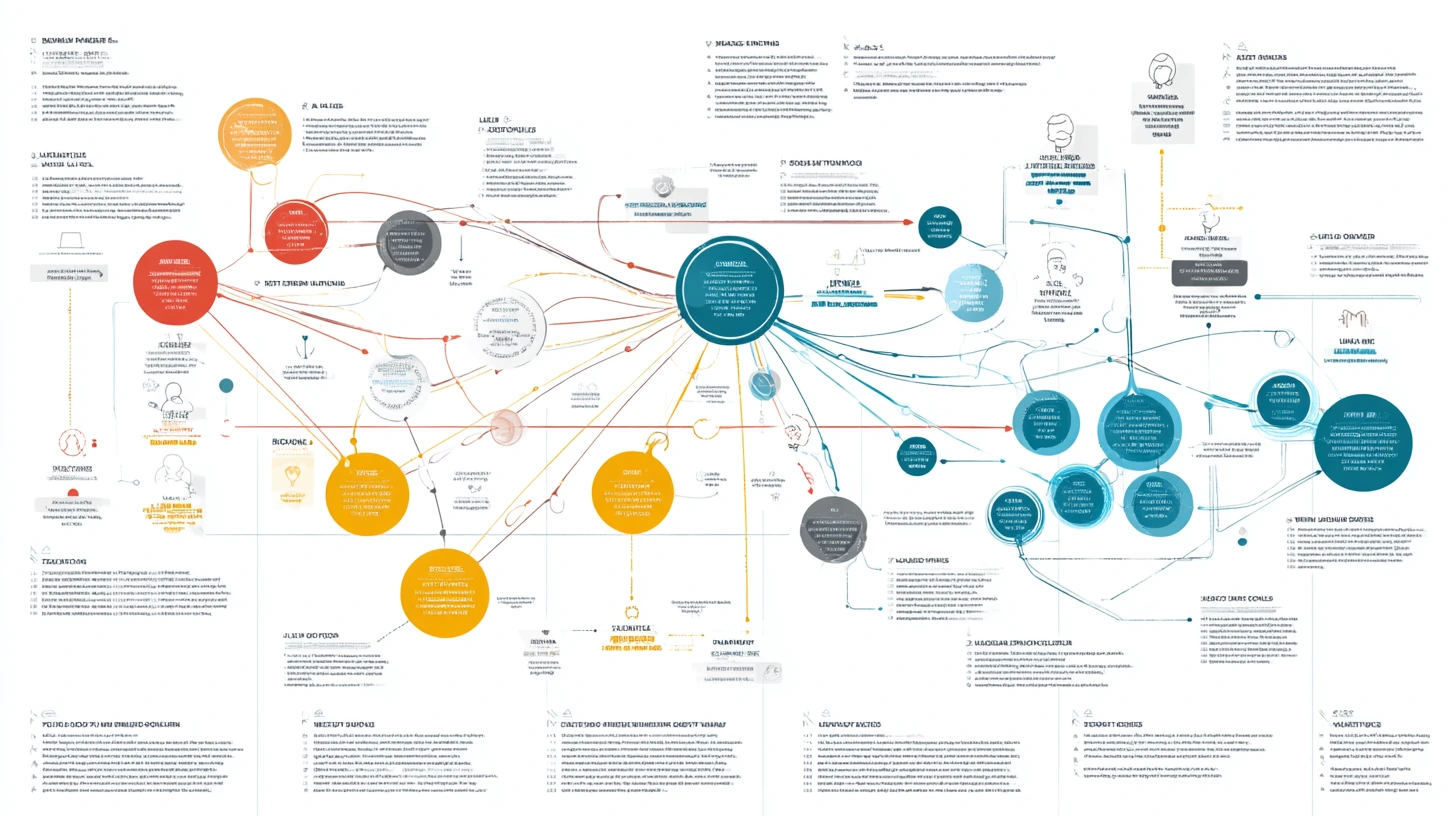
Most skills taxonomies become too big, too abstract or too disconnected from work. Here is how to build one that actually helps leaders and employees.
Read the article →
A balanced article on the gap between software capability and human-led change.
Read the article →
Why annual workforce planning is not enough for volatile markets.
Read the article →
Why skills-based workforce planning helps organisations make better build, buy, borrow, automate and redeploy decisions.
Read the article →
How to choose locations using skills supply, pay, competition and resilience.
Read the article →
Why many workforce issues are actually operating model issues.
Read the article →
Why workforce data needs context, choices and judgement to become useful.
Read the article →
How to shift from blunt cost reduction to targeted capacity movement.
Read the article →
How to focus learning investment on the capabilities that matter most.
Read the article →
A guide to identifying roles where attrition, scarcity or capability gaps threaten delivery.
Read the article →
How trust, transparency and involvement shape automation adoption.
Read the article →
Why movement inside the organisation is becoming a core strategic capability.
Read the article →
Five workforce futures organisations can use to test resilience.
Read the article →
A practical article on industrial strategy, skills policy and employer workforce decisions.
Read the article →
Why pay pressure, supply, location and policy should shape strategic choices.
Read the article →
How culture moves through rituals, decisions, meetings and management habits in hybrid work.
Read the article →
How to design augmented work rather than bolt AI onto old processes.
Read the article →
Why skills data needs to be useful before it is perfect.
Read the article →
How to use future scenarios to prepare for uncertainty without pretending to predict the future.
Read the article →
Why strategic workforce planning fails when it stops at insight and how to move to action.
Read the article →
How to turn workforce data into a strategic narrative leaders can act on.
Read the article →
Why workforce plans need external labour market signals as well as internal HR data.
Read the article →
A question-led article for leaders who want to understand what culture really rewards, blocks and protects.
Read the article →
A humane, commercial approach to moving talent from shrinking work to growing work.
Read the article →
A sharper way to think about future work beyond the tired remote versus office debate.
Read the article →
A story-led guide to building a workforce strategy around skills, not only roles and headcount.
Read the article →